


STD statistics help show how common sexually transmitted infections are, why testing matters, and why sexual health education should be easier to access.
Many people search for STD statistics when they want to understand risk, symptoms, testing, prevention, or how common specific infections like chlamydia, gonorrhea, syphilis, HPV, herpes, and HIV may be.
KISS helps users connect STD information with real tools, including sexual health education, testing reminders, partner alerts, encounter tracking, and safer sex habits.
Key STD statistics
STD statistics show why sexual health education, testing, prevention, and partner communication matter.
A few important STD and STI statistics:
- More than 1 million curable STIs are acquired every day worldwide.
- In 2020, there were an estimated 374 million new infections worldwide from chlamydia, gonorrhea, syphilis, and trichomoniasis.
- In 2024, more than 2.2 million cases of chlamydia, gonorrhea, and syphilis were reported in the United States.
- CDC estimates that about 1 in 5 people in the United States had an STI on any given day in 2018.
- HPV is the most common STI in the United States, and CDC says about 85% of people will get an HPV infection in their lifetime.
These numbers show why STD information should be easier to access and easier to act on. KISS helps users connect sexual health education with testing reminders, partner alerts, encounter tracking, and safer sex tools.
Why STD statistics matter
STD statistics are not meant to scare people. They help show why sexual health education, routine testing, prevention tools, and partner communication are important.
Many STDs and STIs can be treated, managed, or prevented with the right information and care. When people understand how common STDs are, it can reduce shame and make it easier to take action.
KISS helps users move from information to action by connecting STD statistics with education, testing reminders, partner alerts, encounter tracking, and safer sex habits.
Common STD topics people search for
STD statistics often lead people to search for more specific sexual health information.
Common topics include:
- chlamydia symptoms, testing, and treatment
- gonorrhea symptoms, testing, and treatment
- syphilis symptoms, testing, and treatment
- HPV symptoms, vaccines, and prevention
- herpes symptoms, testing, and outbreaks
- HIV testing, PrEP, and prevention
- STD testing frequency
- anonymous partner notification after a positive result
KISS helps users learn about these topics through sexual health education while also offering tools like testing reminders, partner alerts, and encounter tracking.
Learn more with KISS
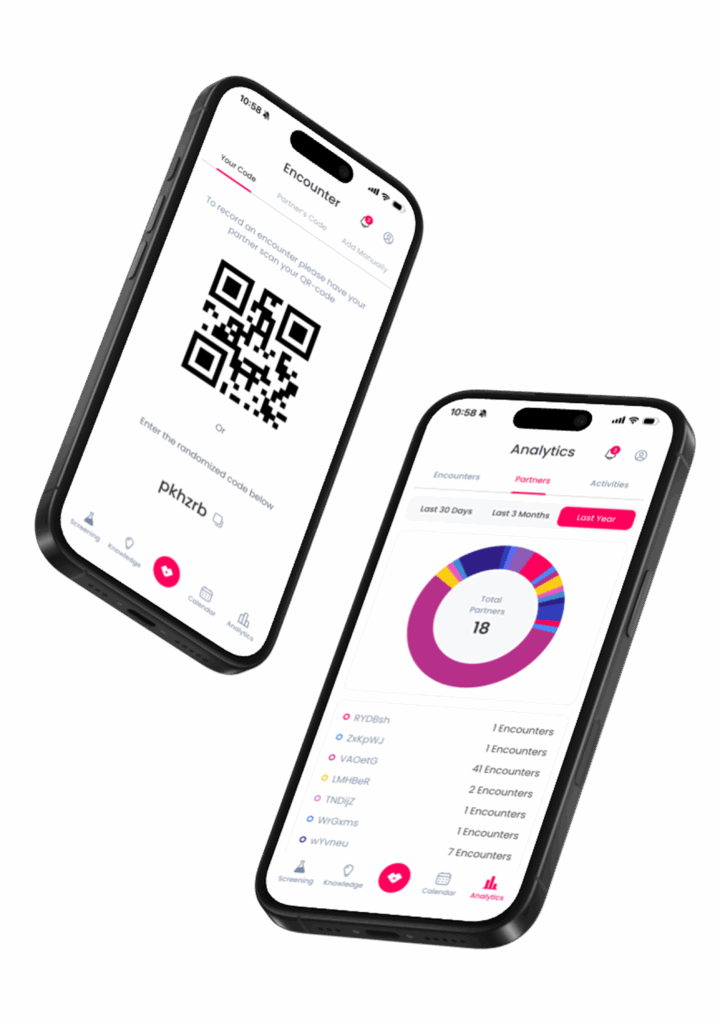
KISS helps users connect STD statistics with sexual health education, testing reminders, partner alerts, and safer sex tools.
For a broader overview, users can read our STD information guide.
Users can also learn about common STIs and STDs, including symptoms, testing, and prevention.
For private partner communication, KISS also supports anonymous STI notification through partner alerts.
Download KISS for STD statistics and sexual health tools
KISS helps users learn from STD statistics, understand sexual health topics, set testing reminders, send partner alerts, track encounters, and build safer sex habits.
Download KISS on iOS or Android to access STD information, sexual health education, and private tools for managing your sexual health.
Frequently Asked Questions
Why are STD statistics important?
STD statistics help show how common sexually transmitted infections are and why sexual health education, routine testing, prevention, and partner communication matter.
What is the most common STD?
HPV is commonly described as the most common STI in the United States. Many people will get HPV at some point in their lifetime.
How many STDs are acquired everyday?
WHO reports that more than 1 million curable STIs are acquired every day worldwide.
Why does KISS include both STD and STI language?
Many people search for STD information, while healthcare sources often use the term STI. KISS includes both terms to make sexual health education easier to find and understand.
How does KISS help with STD information?
KISS helps users access sexual health education, testing reminders, partner alerts, encounter tracking, and safer sex tools in one private app.
Does KISS replace a doctor or clinic?
No. KISS is not a substitute for medical advice, diagnosis, or treatment. If you have symptoms, test positive, or think you may have been exposed to an STD or STI, consider getting tested and speaking with a healthcare provider.