
HIV stands for human immunodeficiency virus. HIV is a virus that affects the immune system, specifically cells that help the body fight infection. Without treatment, HIV can lead to AIDS, which is the most advanced stage of HIV.
HIV is not the same thing as AIDS. A person can have HIV without having AIDS. With proper medical care and HIV treatment, people with HIV can live long, healthy lives, and treatment can also prevent HIV transmission.
Many people search for HIV information because they want to understand symptoms, testing, prevention, PrEP, PEP, treatment, or what to do after a possible exposure. The only way to know your HIV status is to get tested.
HIV became widely recognized in the early 1980s and has had a major impact on public health, LGBTQ+ communities, medicine, activism, and sexual health education. Today, HIV is much better understood, and prevention tools like PrEP, emergency options like PEP, and treatment advances like undetectable equals untransmittable have changed what HIV prevention and care can look like.
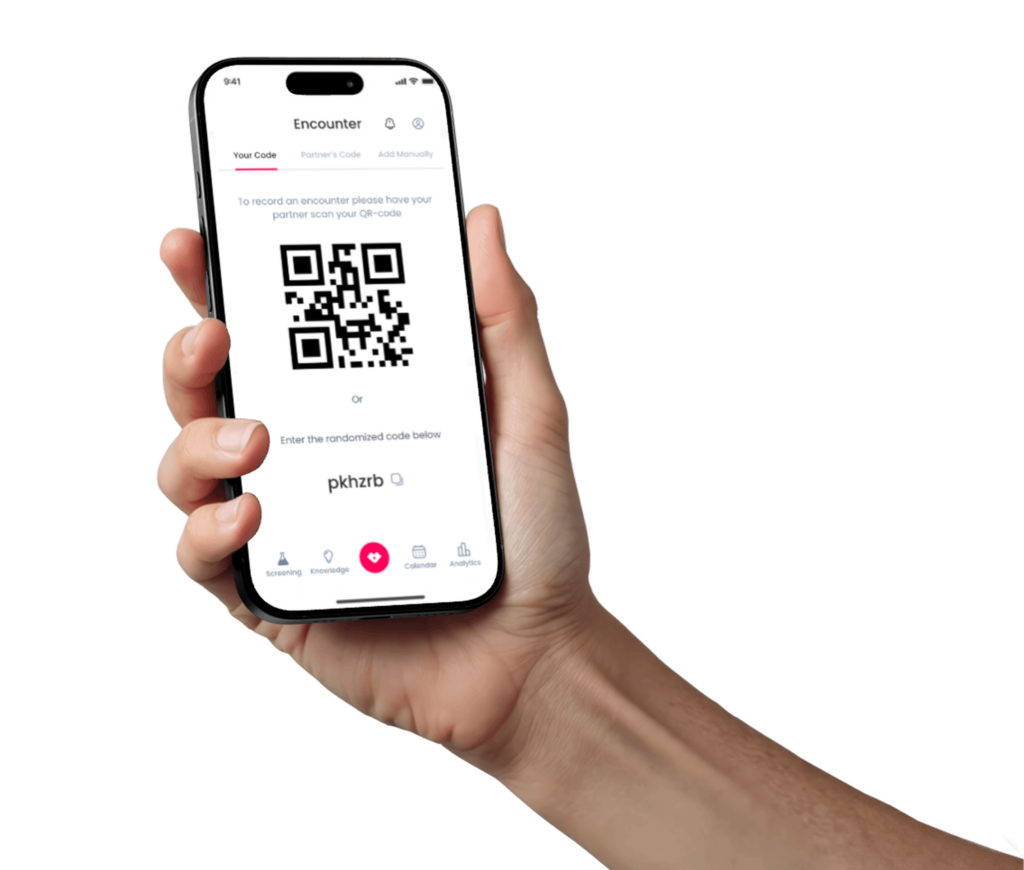
KISS helps users access HIV and sexual health education, set testing reminders, track encounters, send partner alerts, and build safer sex habits in one private app.
HIV vs. AIDS: What is the difference?
HIV and AIDS are related, but they are not the same thing.
HIV stands for human immunodeficiency virus. It is a virus that affects the immune system. AIDS stands for acquired immunodeficiency syndrome. AIDS is the most advanced stage of HIV and can develop when HIV is not treated.
A person can have HIV without having AIDS. With HIV treatment, many people with HIV never develop AIDS. Treatment can lower the amount of virus in the body, help protect the immune system, and prevent HIV transmission.
HIV is not a moral issue. It is a health condition. Testing, treatment, PrEP, PEP, condoms, communication, and education are all tools that help people take care of their sexual health.
Understanding the difference between HIV and AIDS matters because HIV is treatable, prevention tools exist, and people living with HIV can have full, healthy, connected lives.
A brief history of HIV
HIV became widely recognized in the early 1980s, when communities, healthcare providers, researchers, and activists began responding to a new public health crisis.
The history of HIV is also a history of stigma, misinformation, medical progress, and community activism. LGBTQ+ communities, especially gay and bisexual men, were deeply affected and played a major role in demanding research, treatment access, public health education, and more compassionate care.
Today, HIV is much better understood. HIV testing is available, treatment can help people live long and healthy lives, PrEP can help prevent HIV, PEP may help after a possible recent exposure, and people who maintain an undetectable viral load do not transmit HIV through sex.
KISS approaches HIV education with the belief that sexual health information should be clear, practical, private, and free from shame.
HIV statistics
HIV statistics help show why testing, prevention, treatment, and education still matter.
A few important HIV statistics:
- Globally, an estimated 40.8 million people were living with HIV in 2024.
- Globally, an estimated 1.3 million people became newly infected with HIV in 2024.
- In the United States, estimated new HIV infections decreased 12% from 2018 to 2022.
- HIV.gov reports that estimated new HIV infections in the United States decreased from 36,300 in 2018 to 31,800 in 2022.
- HIV treatment can help people reach and maintain an undetectable viral load. People who keep an undetectable viral load do not transmit HIV through sex.
These statistics are not meant to create fear. They show why access to HIV education, testing, prevention tools, treatment, and stigma-free sexual health support matters.
HIV symptoms are not always obvious
HIV symptoms can vary from person to person. Some people may have flu-like symptoms within a few weeks after exposure, such as fever, chills, rash, night sweats, muscle aches, sore throat, fatigue, swollen lymph nodes, or mouth ulcers.
Other people may have no symptoms for a long time. That is why HIV testing matters. A person cannot know their HIV status based on symptoms alone.
Testing is routine sexual health care. It is not about shame or judgment. Knowing your status can help you make informed decisions about treatment, prevention, partners, and your health.
HIV testing
The only way to know your HIV status is to get tested. HIV testing is routine sexual health care and can help people make informed decisions about treatment, prevention, partners, and their health.
As a general starting point, everyone ages 13 to 64 should get tested for HIV at least once as part of routine health care. Sexually active people may want to test at least once a year, especially if they have new partners, multiple partners, or possible exposure.
Some sexually active gay, bisexual, and other men who have sex with men may benefit from more frequent HIV testing, such as every 3 to 6 months. People using PrEP, people with anonymous partners, people with multiple partners, or people with a recent possible exposure may also want to talk with a healthcare provider about more frequent testing.
Getting tested is not about shame or judgment. It is one of the most practical tools people can use to care for themselves and their partners. KISS helps users set HIV testing reminders and keep sexual health education easier to access.
PrEP and PEP for HIV prevention
PrEP and PEP are HIV prevention tools that can help people take control of their sexual health.
PrEP stands for pre-exposure prophylaxis. It is medicine that can reduce the chance of getting HIV before a possible exposure. PrEP may be an option for people who are HIV-negative and may be exposed to HIV through sex or injection drug use.
PEP stands for post-exposure prophylaxis. It is emergency medicine that may help prevent HIV after a possible recent exposure. PEP must be started within 72 hours, so timing matters.
PrEP and PEP are not about shame. They are tools. Talking with a healthcare provider can help someone understand whether PrEP, PEP, testing, condoms, or other prevention options make sense for their life.
HIV treatment and U=U
HIV treatment has changed what it means to live with HIV.
Antiretroviral therapy, often called ART, is HIV medicine that can lower the amount of HIV in the body. When someone takes HIV treatment as prescribed, they can reach and maintain an undetectable viral load.
U=U stands for undetectable equals untransmittable. This means that a person living with HIV who maintains an undetectable viral load does not transmit HIV through sex.
This is important for health, relationships, confidence, and stigma reduction. HIV treatment helps people living with HIV protect their own health while also preventing sexual transmission.
KISS supports sex-positive HIV education by helping users access information, set testing reminders, track encounters, and build safer sex habits without shame.
HIV prevention and safer sex tools
HIV prevention is not about fear or shame. It is about information, choice, communication, and access to tools that support sexual health.
HIV prevention can include testing, PrEP, PEP, condoms, treatment, knowing your status, talking with partners, and understanding what to do after a possible exposure.
Different people may use different prevention strategies depending on their body, partners, sex life, comfort level, and healthcare needs. KISS helps users connect HIV education with practical tools like testing reminders, encounter tracking, partner alerts, and safer sex habits.
Learn more with KISS
KISS helps users connect HIV education with broader sexual health tools, including STD information, testing reminders, partner alerts, encounter tracking, and safer sex habits.
Users can also explore our STD information guide for symptoms, testing, treatment, prevention, and sexual health statistics.
For broader sexual health education, users can read about common STIs and STDs.
KISS also supports private partner communication through anonymous STI notification.