
CHLAMYDIA: SYMPTOMS, TESTING & TREATMENT
Common. Often silent.
Curable with treatment.
Chlamydia is a common bacterial STI that can affect the genitals, rectum, or throat. Many people have no symptoms, but testing and the right treatment can protect your health and your partners.
No shame. Just clear information. KISS does not diagnose or replace medical care.
SCIENTIFIC ILLUSTRATION
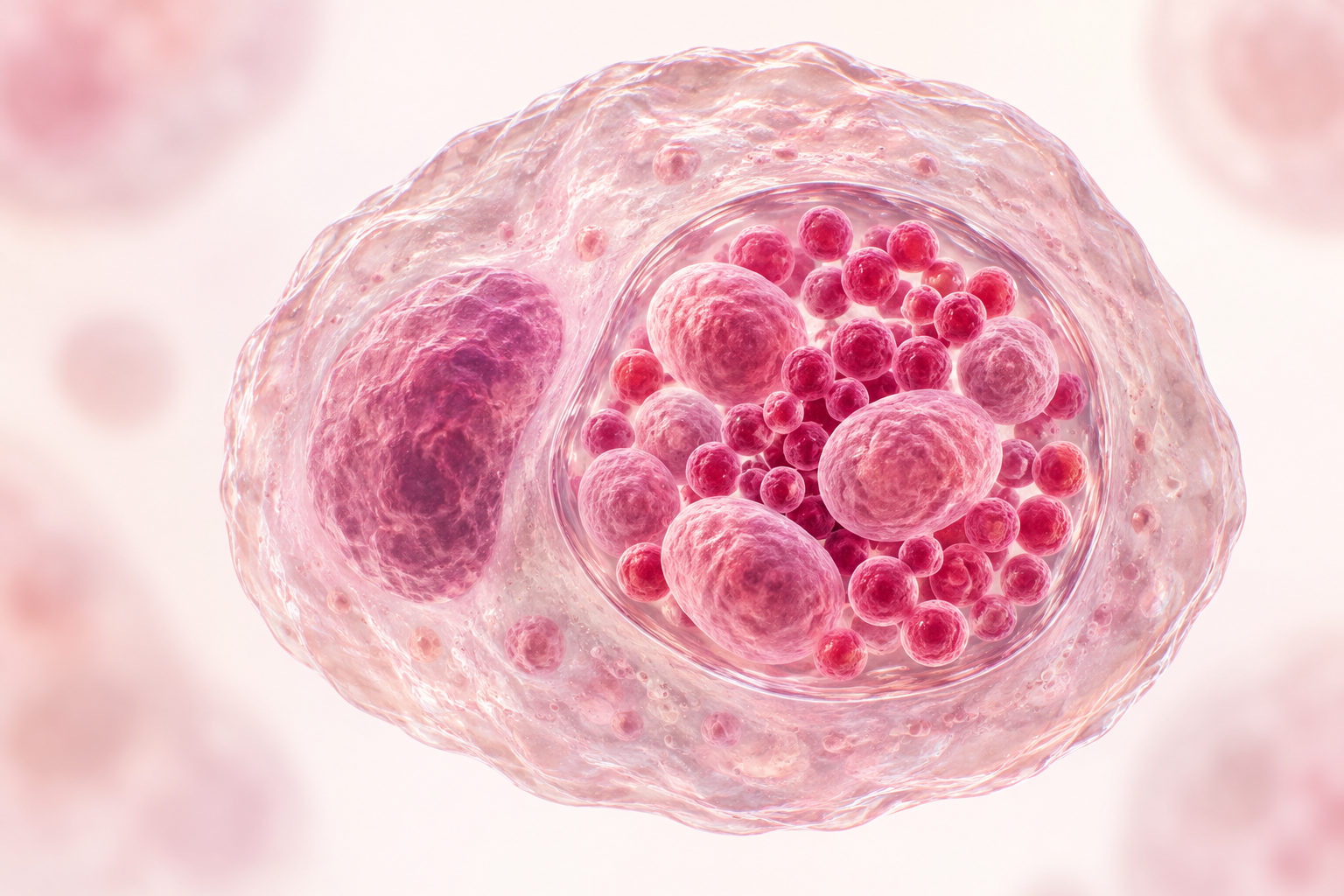
Illustrative rendering of Chlamydia trachomatis developing inside a host cell. Not a diagnostic image.
THE MOST IMPORTANT THING TO KNOW
You can feel completely fine
and still have chlamydia.
Chlamydia often causes no symptoms. A person can have it, transmit it, and feel healthy. Testing is the only way to know—and a positive result is a medical issue to treat, not a reason for blame.

WHAT IS CHLAMYDIA?
A common bacterial STI.
Chlamydia is caused by Chlamydia trachomatis. It can spread through vaginal, anal, or oral sex and can pass to a baby during childbirth.
Depending on the type of exposure, infection can occur in the cervix, urethra, rectum, or throat. Chlamydia does not spread through ordinary contact such as hugging, sharing food, or toilet seats.
Quick facts:
It is common. Chlamydia is among the most frequently reported bacterial STIs in the United States.
It is treatable and curable. Antibiotics prescribed by a healthcare professional can cure the infection.
You can get it again. Previous treatment does not create immunity.
CHLAMYDIA SYMPTOMS
Sometimes noticeable.
Often not.
Symptoms vary by infection site and may not appear until several weeks after exposure. Many people never notice symptoms.
01
Vaginal or cervical symptoms
Possible signs include unusual vaginal discharge, burning when urinating, pelvic or lower-abdominal pain, pain during sex, or bleeding between periods.
02
Penile or testicular symptoms
Possible signs include discharge from the penis, burning when urinating, or pain and swelling in one or both testicles.
03
Rectal or throat infection
Rectal infection may cause pain, discharge, or bleeding. Throat infection is frequently asymptomatic. Ask about testing at the sites that were exposed.
CHLAMYDIA TESTING
Testing should match
how you have sex.
Chlamydia is diagnosed with a laboratory test, commonly a urine sample or swab. The appropriate sample depends on anatomy, symptoms, and exposure sites.
01
Urine or genital swab
Urine, vaginal, cervical, or urethral samples may be used for genital infection. A clinician can explain which option is appropriate.
02
Site-specific testing
If you have receptive anal or oral sex, ask whether rectal or throat testing is appropriate. A urine test alone may not evaluate every exposed site.
03
Timing and routine screening
Testing schedules depend on age, anatomy, pregnancy, partners, and sexual practices. Review STI testing windows →
TREATMENT AND FOLLOW-UP
A positive result is treatable.
Chlamydia is cured with antibiotics prescribed by a healthcare professional. Take every dose exactly as directed and follow the clinician’s guidance about sexual activity, partner treatment, and additional STI testing.
COMPLETE TREATMENT
Do not stop medication early because symptoms improve.
PREVENT REINFECTION
Recent partners may need evaluation and treatment. Follow your clinician’s timeline before resuming sex.
RETEST
CDC guidance recommends retesting approximately three months after treatment because repeat infection is common.
WHY TREATMENT MATTERS
Protect your health.
Protect your partners.
Prompt treatment can prevent ongoing transmission and reduce the risk of complications. Partners being evaluated and treated can also reduce the chance of reinfection.
01
Possible complications
Untreated chlamydia can contribute to pelvic inflammatory disease, chronic pelvic pain, ectopic pregnancy, infertility, or inflammation near the testicles.
02
Pregnancy and newborn health
Untreated chlamydia during pregnancy can affect the pregnant person and may pass to a baby during delivery. Prenatal testing and treatment matter.
03
Partner communication
A clinician can explain which partners may need care. KISS can privately alert partners already connected through the app. See what to say →
GOOD TO KNOW BEFORE YOU GO
Chlamydia FAQs
Can chlamydia go away without treatment?
Do not wait for it to clear on its own. Chlamydia requires appropriate antibiotic treatment from a healthcare professional.
How soon do symptoms appear?
If symptoms occur, they may not appear until several weeks after exposure. Many people never develop noticeable symptoms.
Can oral sex spread chlamydia?
Yes. Chlamydia can spread through oral sex, although throat infections are often asymptomatic.
Can you get chlamydia again?
Yes. Treatment does not create immunity, and repeat infection is common.
When can I have sex after treatment?
Follow the timeline given by your healthcare professional. CDC guidance considers the prescribed regimen, symptoms, and whether partners have been treated.
Which partners should be notified?
CDC treatment guidance generally addresses partners from the 60 days before symptoms or diagnosis, while also including the most recent partner. Ask your clinician what applies to you.
TRUSTED HEALTH GUIDANCE
What leading health authorities say.
The core medical information on this page is grounded in current guidance from the CDC and World Health Organization.
CDC
“Chlamydia often has no symptoms, but it can cause serious health problems, even without symptoms.”
CDC TREATMENT GUIDELINES
“Treating their sex partners can prevent reinfection and infection of other partners.”
Sources reviewed September 14, 2026. Guidance can change; a healthcare professional can advise you based on your health, anatomy, exposures, and location.
A note about medical care: This page is educational and is not a substitute for diagnosis, testing, or treatment from a qualified healthcare professional. Individual recommendations differ, including during pregnancy. Written by the KISS Editorial Team · Last reviewed September 13, 2026. Sources: CDC About Chlamydia and CDC Chlamydial Infections Treatment Guidelines.
KEEP THE NEXT STEP VISIBLE
Testing, reminders, and partner alerts.
Connected.
Use KISS to track sexual-health moments, stay on top of testing, and privately notify connected partners when it matters.